Morality vs. Ethics: What’s the Difference?
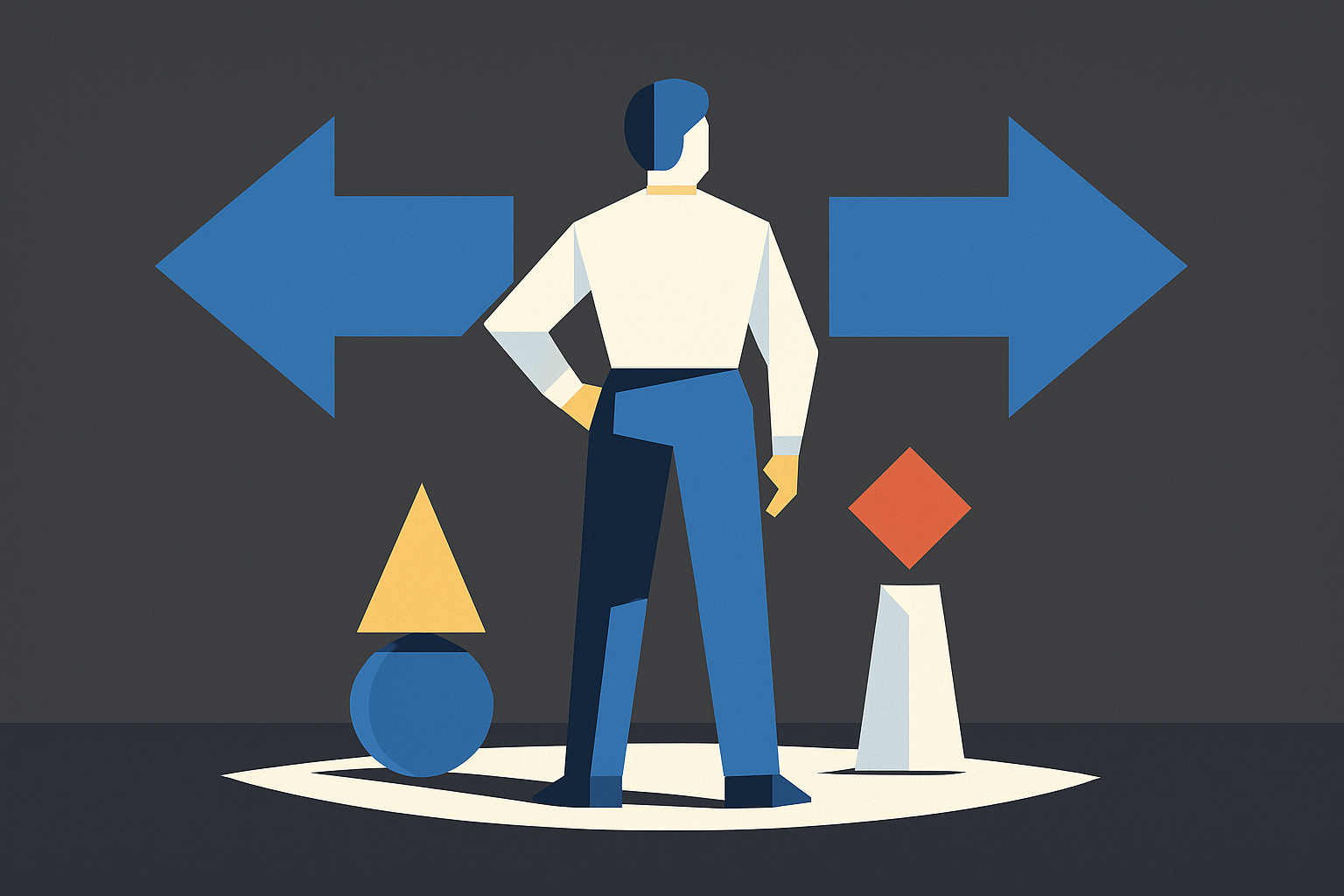
We often hear these two words "morality and ethics" used interchangeably, as if they’re the same concept in different disguises. But spend a few minutes digging deeper, and you’ll find that morality and ethics pull us in subtly different directions.
Morality is typically internal: a personal sense of right and wrong that can feel almost black-and-white to the individual who holds it.
Ethics, on the other hand, tends to be collective - a set of guidelines or norms hammered out by a group. It can be dark grey, light grey, or somewhere in between, because it’s an aggregation of many voices and viewpoints.
A Quick Hypothetical: Hospital Triage
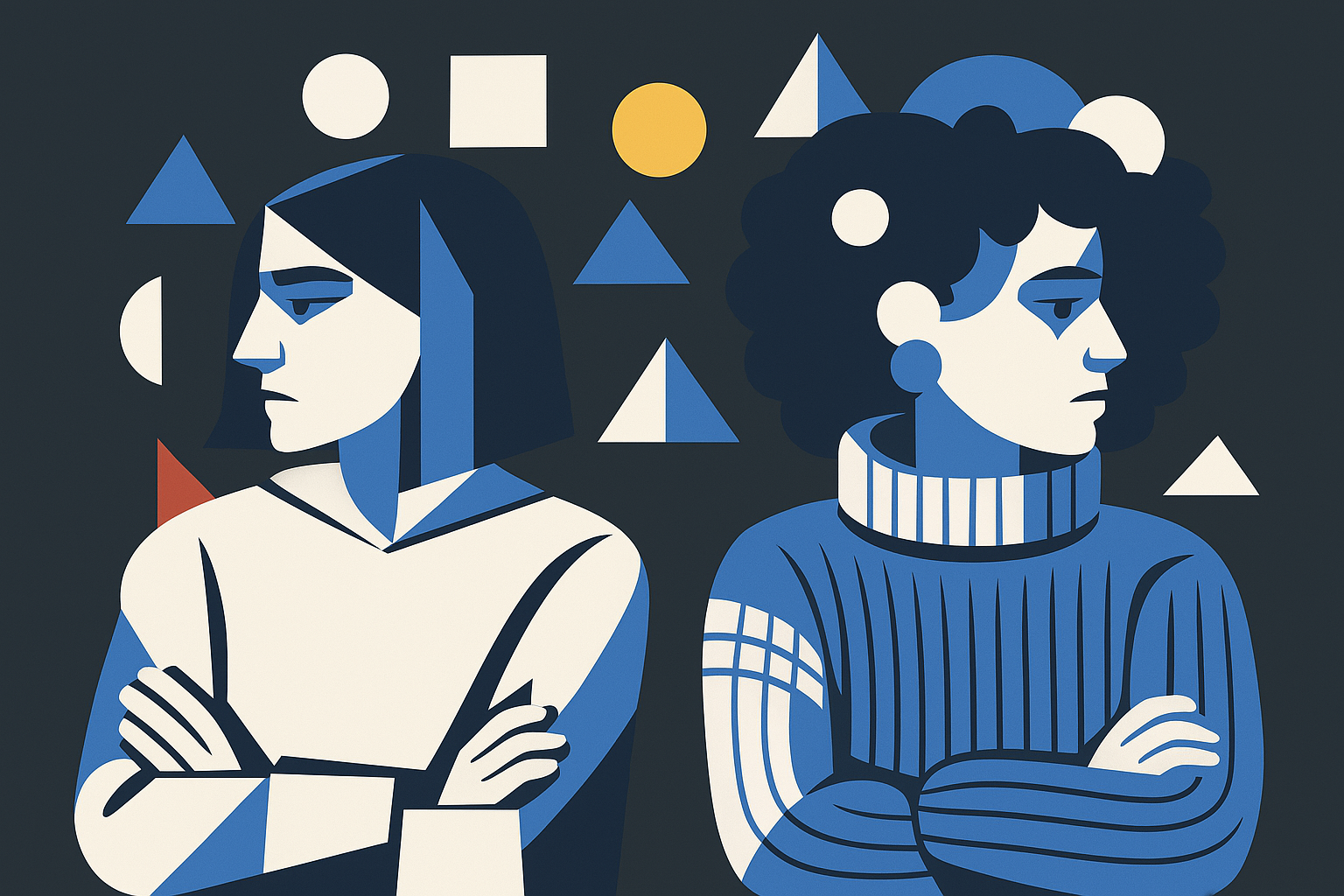
Let's say, a hypothetical AI tool in a hospital decides which patients receive critical care first during an emergency shortage. There’s an official protocol for triaging based on factors like survival odds and resource availability, developed by a national board of medical professionals. However, a frontline nurse feels morally compelled to prioritize a single mother of three over a patient with similar vitals but fewer dependents.
Moral Lens: To the nurse, the situation is personal and urgent. The moral logic is black-and-white: “If I can save the breadwinner of a family, I absolutely should.”
Ethical Lens: The national triage policy (endorsed by hundreds of medical experts and hospital administrators) outlines neutral selection criteria that do not factor in personal circumstances like family size. This policy aims for fairness by removing subjective bias, even if the outcome feels cold or impersonal.
From a purely moral standpoint, the nurse sees an obvious line - help the person who supports a family. Yet the collectively authored ethical policy is designed to avoid prioritizing one person’s circumstances over another’s, resulting in a greyer (and to some, less intuitive) set of rules.
The Challenge of Collective Ethics
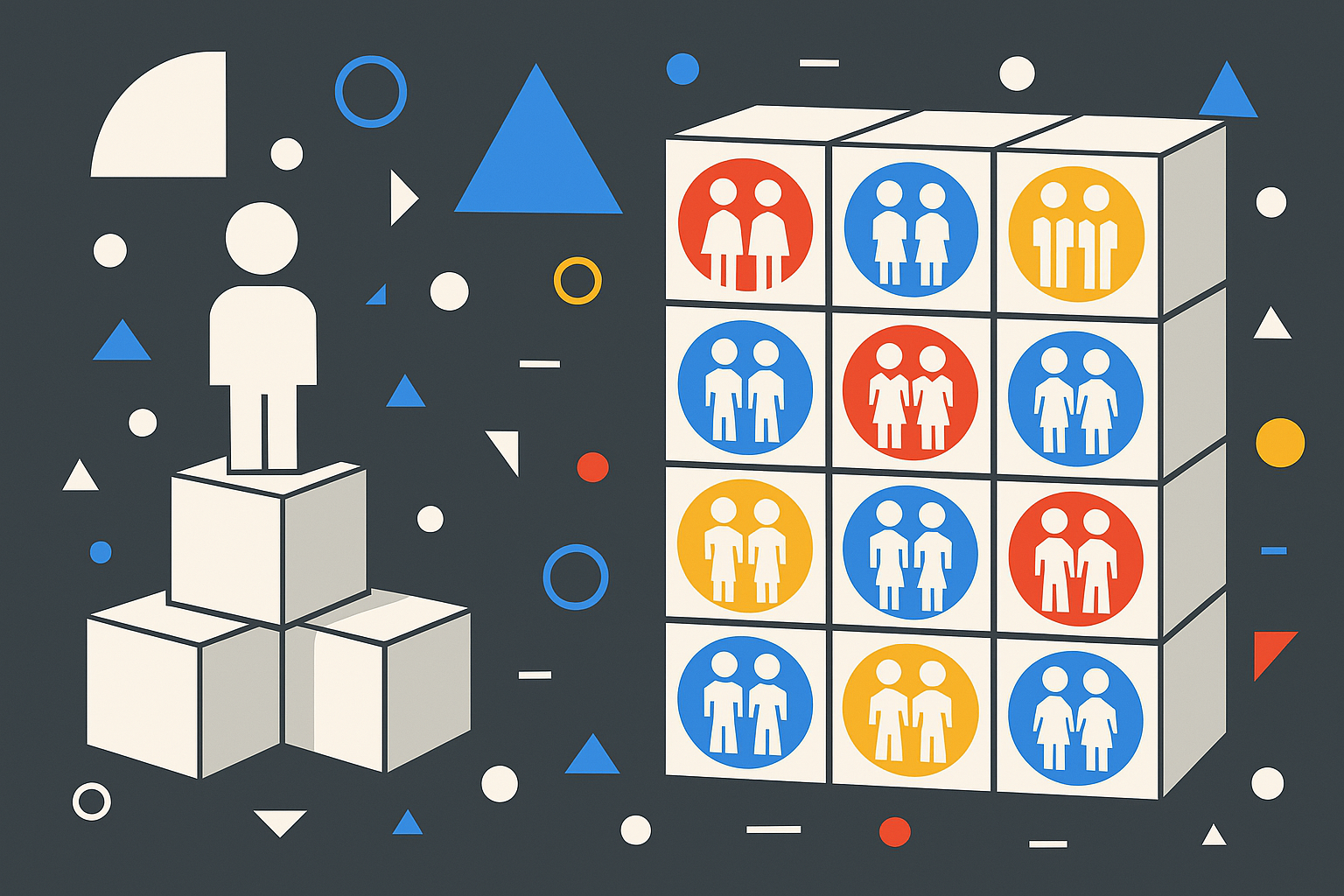
If ethics are an aggregate, we have to ask: Aggregate of whom? Consider how many times an “ethics framework” is written behind closed doors by a small committee. Even if they do a thorough job, can five or ten people realistically speak for everyone else in the organization, let alone the outside world?
And it doesn’t stop there. Suppose every member of a company did get a say, shaping a lovely internal code of conduct. That’s great - except they’re not always the direct consumer. So what happens when the end-users have different backgrounds, values, or generational expectations? If a Gen Z consumer interacts with a product designed under a Boomer-driven ethics framework, there’s a very real chance they’ll find the code incomplete or outdated.
We see this tension play out constantly in AI development. A group of experts publishes guidelines on “responsible AI,” but how many perspectives actually went into those guidelines? Were the developers themselves consulted? How about the communities most impacted by algorithmic decisions? As the Partnership on AI and various academic institutions have noted, there’s still no single, universally recognized AI ethics constitution, and even if one emerged, would it represent the vast tapestry of global perspectives?
Are Universal Frameworks Even Possible?
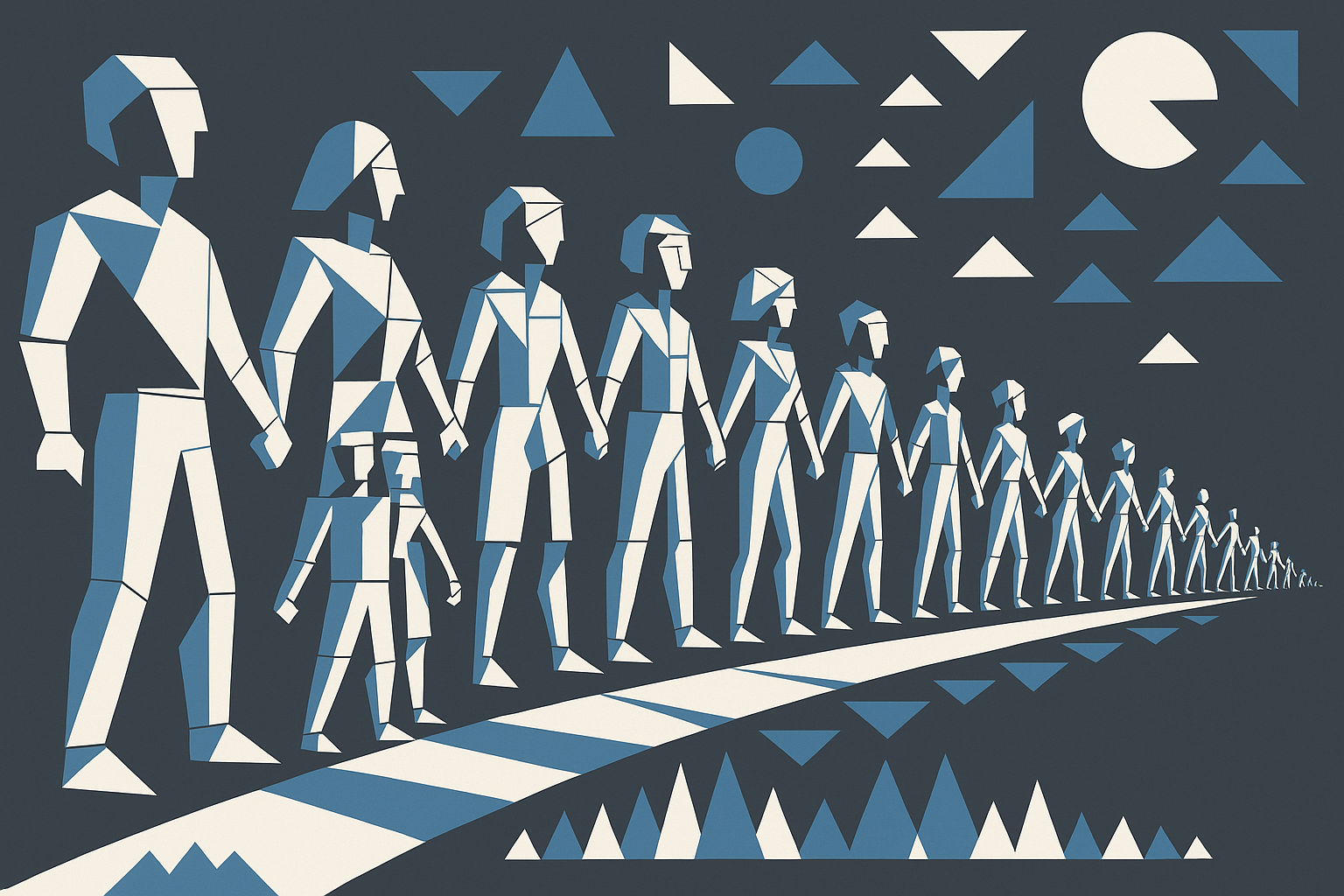
So far, no universal AI ethics document has attained widespread acceptance as the standard. Plenty of organizations offer their own take, from the European Commission’s guidelines to tech giants publishing responsible AI principles. Each one is a good start, but each is shaped by a particular group with specific goals and constraints.
This isn’t to say we should abandon the effort. On the contrary, it highlights just how important it is to keep broadening that conversation. Instead of leaning on a small subset of “experts,” we need to ask bigger groups, maybe even entire communities to weigh in. Because if ethics are inherently collaborative, then the more voices we have, the richer (and hopefully fairer) our shared code becomes.
Where Sanctity Fits In
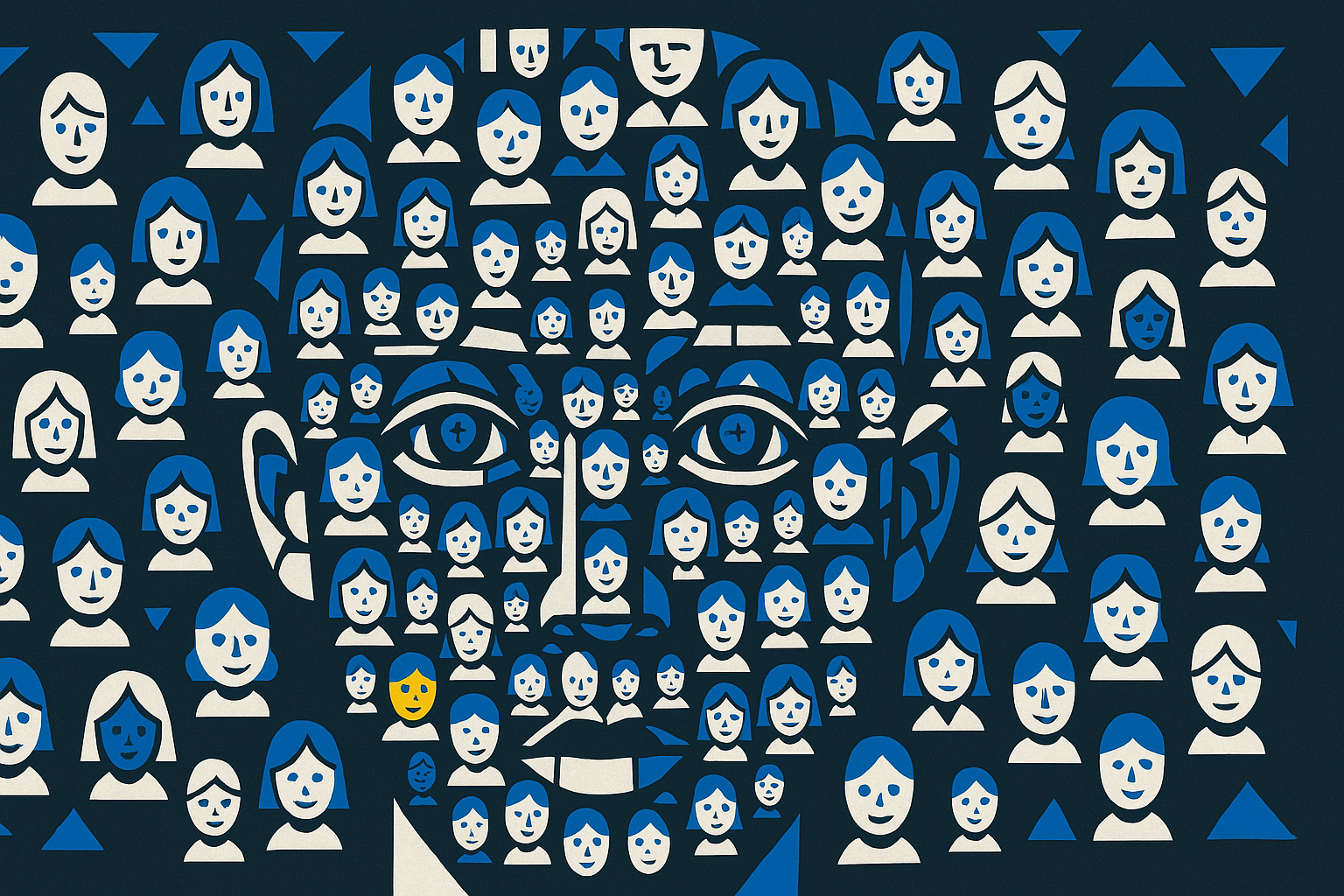
At Sanctity, we’re exploring what it means to invite larger crowds into the process of defining ethical boundaries, starting with AI. We believe that the best solutions come from layering personal moral convictions (the “black and white” many of us feel on certain issues) onto a community-driven ethical framework (the infinite shades of grey that emerge when people convene).
Our platform does this through interactive scenarios, discussions, and debates. Every participant contributes a bit of their own moral sense, which then aggregates into something bigger and more flexible. The aim is not to force perfect agreement - because let’s face it, that’s impossible, but to ensure diverse ideas find representation.
Moving the Conversation Forward

No single blog post or framework will solve the question of whose morals and which ethics get the final say. But the very act of asking - Who wrote this code of ethics? Whose input did they consider? Did they think about age, culture, location? - opens the door for more inclusive, adaptive guidelines.
When we treat morality and ethics as distinct but complementary forces, we see the potential for synergy. Individuals bring clarity, drive, and a moral compass that says, “This is absolutely wrong for me.” Groups bring structure, negotiation, and an acceptance that reality is often a swirl of competing interests and values.
Put these together in a mindful way, and we end up with something stronger than any one viewpoint could produce alone. That’s why our community-driven approach at Sanctity matters. It isn’t about a chosen few at the top figuring out right and wrong - it’s about inviting as many people as possible to place their tile in the mosaic. Because if ethics are going to be grey, it’s better to have every shade represented, rather than just a narrow slice.
Sanctity is built on one idea: AI should be taught by all of us, as equals.
Be the Voice ›