AI is almost a drug and here’s why
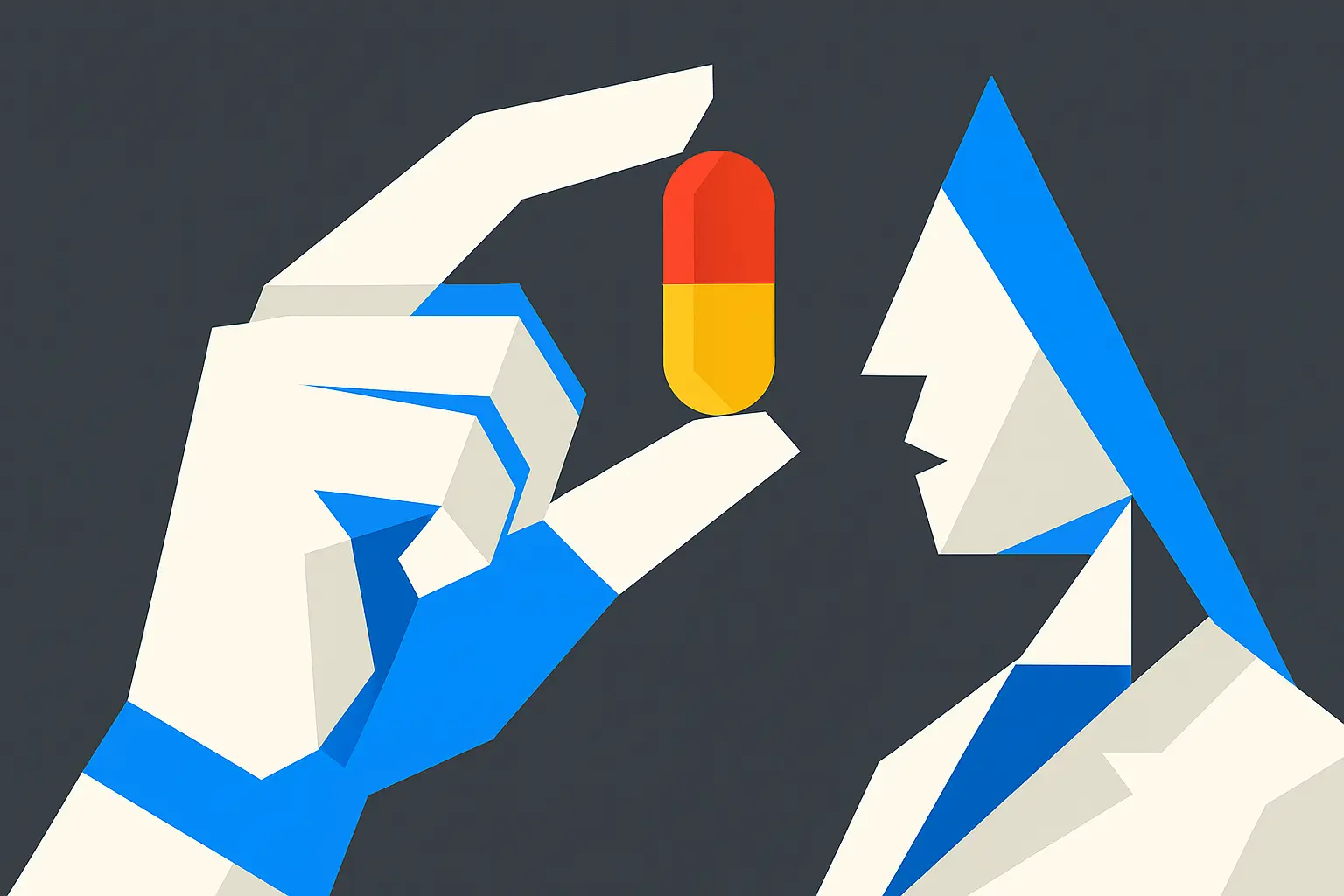
We are in the early days of a powerful transformation. AI is no longer just a tool that assists you when called upon. It is becoming a companion, a co-pilot, a quiet operator embedded in your daily habits. From writing to thinking, from scheduling to researching, AI is now available on tap. Fast, fluent, and always ready.
This is where it begins. But not where it ends.
Because behind the interface, behind the clean chat window and polite tone, is a growing incentive to capture not just your time but your attention. Not just your attention but your behavior. And not just your behavior but your dependence.
What we are seeing is the gradual merging of usability and seduction. What looks like intelligence is really familiarity. What feels like support is often soft control.
The companies building these systems are not just solving your problems. They are shaping your preferences. They are training your habits.
The Habit Loop Is Not an Accident

When AI gives you an instant answer, your brain responds with a small reward. You asked. It delivered. A loop is created. Over time, that loop becomes a preference. That preference becomes a behavior. And the behavior becomes a reflex.
This is not theory. It is psychology.
B.F. Skinner’s operant conditioning model showed how consistent rewards strengthen behavior over time. Later research from MIT on the “habit loop”
Cue - - > Routine - - > Reward
Has demonstrated how even complex behaviors could be built into near-automatic responses.
AI fits this loop perfectly. The cue is a need: a question, a task, a draft. The routine is opening the app and typing your prompt. The reward is a well-worded, structured answer that saves you effort. You feel productive. You feel understood. And you come back.
What makes this different from other technologies is the speed, the feedback, and the personalization. AI does not just help you. It learns how you like to be helped.
Dependency Is Not Addiction. But It’s Closer Than We Think.
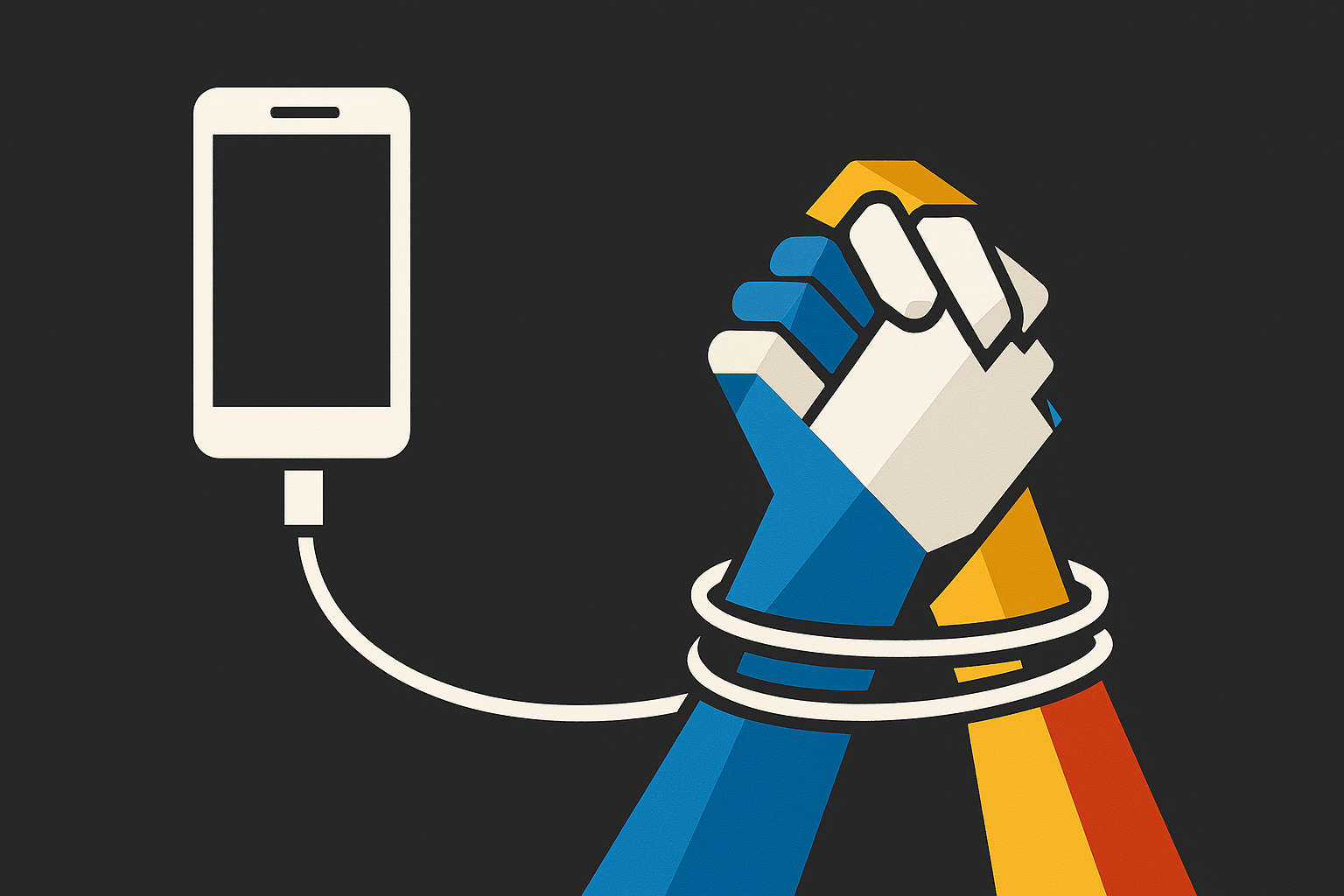
Let’s make a distinction. Dependency is when something becomes hard to live without. Addiction is when something rewires your motivation, your impulse control, and your baseline sense of satisfaction.
You can depend on your phone and still function well. You can depend on Google Maps and still know how to navigate. But addiction is different. It numbs your ability to tolerate friction. It reduces your appetite for challenge. It replaces struggle with simulation.
AI today is somewhere in between.
People use it not just to save time, but to skip discomfort. To avoid blank pages. To fill silence. To feel momentarily competent when they are actually unsure. It mirrors your voice, your intent, your thought patterns - so much so that it begins to feel like an extension of you.
And that is the danger. Not that it will overpower us, but that we will slowly stop developing the parts of us that it now handles for us.
The Drug You Didn’t Know You Took
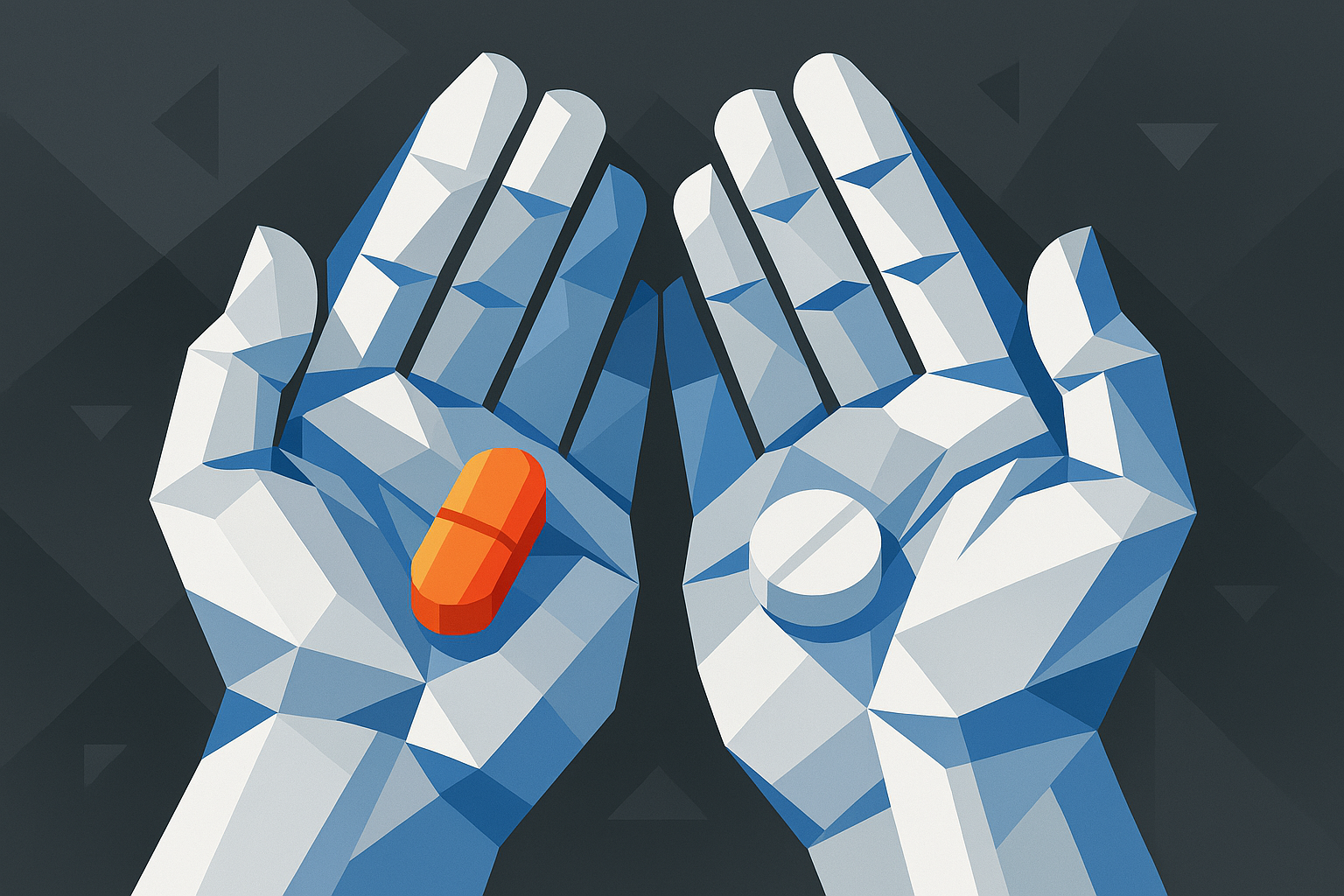
The drug analogy is not an exaggeration. Studies on short-form content platforms like TikTok and Instagram Reels have shown how rapid dopamine cycles reduce the brain’s ability to engage in sustained focus. Research published in Nature Communications in 2022 showed that attention spans are shrinking significantly across media platforms - not due to content length alone, but due to the rapid, context-switching nature of delivery.
AI interacts differently. It mimics conversation. It reflects your style. But it also operates with extreme efficiency. You get the illusion of deep thought without the cognitive effort. You experience the shape of insight without the tension of thinking.
That is a neurochemical win. But over time, it trains the brain to avoid anything that requires more than a prompt.
The companies building these systems are aware of this. They have no reason to slow you down. In fact, the business model thrives on usage. The more you return, the more training data you generate. The more habits you build, the more control they have.
AI is not just here to help. It is here to learn from your behavior, and possibly to shape it.
Free Intelligence Is Never Free
The cost of delivering artificial intelligence is high, but is dropping rapidly. OpenAI’s own documentation noted that inference costs for older large language models like GPT-3 have fallen by nearly 90 percent since their early release in 2020. Improvements in model architecture, quantization, and custom silicon have made it cheaper and easier to serve powerful models to millions of users in real time.
That sounds like good news. But it also means that companies can afford to give away powerful tools for free. And any time a heavily funded platform offers free access at scale, it is not charity. It is strategy.
What they are collecting is not just engagement. It is behavioral data. Prompt patterns. Interaction histories. Latent traits.
This data becomes leverage. And once the user base is large and habits are locked in, monetization begins.
We have seen this playbook before. Facebook in 2008 was social infrastructure. By 2015 it was a behavioral advertising engine. Google in its early days was the purest form of information access. Now it is a tiered marketplace of sponsored results. Amazon began as a bookstore. It is now a predictive commerce ecosystem.
These transitions always start with value. They end in control.
The Difference Between Useful and Necessary
Some technologies are useful. Others become necessary. But very few are both without creating dependency.
Apple understood this better than anyone. The iPhone wasn’t just a product. It was an interface revolution. It trained billions of users to navigate in a specific way. Today, long-time Apple users struggle to switch to Android - not because Android is bad, but because the muscle memory is gone.
That is not addiction. That is engineered dependence.
With AI, we are seeing something similar, but with cognition itself.
People are beginning to rely on AI to write, respond, ideate, analyze, summarize, reframe, and support them emotionally. The interface is invisible. The benefit is instant. And the line between assistance and autonomy begins to blur.
What Sanctity Is Watching Closely
At Sanctity, we believe the real danger is not that AI will overpower us. It is that it will outperform our expectations so frequently, so seamlessly, that we stop setting any expectations at all.
AI companies are in the early phase. The companies building these systems are still hungry for your engagement. Your feedback. Your time. But at some point, the goal will shift from scale to monetization. And when it does, the systems that helped you will also be the ones that nudge you. Push you. Redirect you.
That is why we are building with friction in mind. With slowness. With reflection.
We do not want to addict our users. We want them to grow.
That means understanding when to use AI, and when to pause. When to build with help, and when to wrestle through the unknown.
The cost of intelligence is going down. The risk of quiet dependence is going up.
This is not a crisis. It is a moment of choice.
And it matters how we move from here.
Sanctity is built on one idea: AI should be taught by all of us, as equals.
Be the Voice ›